How Your Body Heals: The 3 Stages of Recovery

Recovery Basics, Part 1 of 5
Cut your finger and watch what happens. You don't tell it to clot. You don't instruct the skin to knit together. Two weeks later there is barely a mark. Nobody did that for you. Your body did it.
That same intelligence is at work in your back, your shoulder, your knee and your nerves right now. Most people have never been told how it works, so they either panic when something hurts or ignore it until it becomes a much bigger problem. A little understanding changes both.
Healing happens in three stages
Stage 1: Inflammation (roughly the first 3 to 5 days). Swelling, warmth and soreness are the clean-up crew arriving. Blood flow increases, damaged tissue is cleared and the repair signal goes out. It feels unpleasant, but it is the first step of repair, and nothing gets rebuilt without it.
Stage 2: Repair (from a few days to about 6 weeks). Your body lays down new tissue. It is quick, patchy work, a bit like scaffolding. The area usually feels much better by now, which is exactly when most people go back to everything they were doing before and get hurt again.
Stage 3: Remodelling (6 weeks to 12 months or more). The scaffolding is slowly replaced with strong, organised tissue. Here is the key point: the body remodels according to the demands you place on it. Good movement produces strong, flexible tissue. No movement, or poor movement, produces stiff, weak tissue that is easy to re-injure.

Pain is the last thing to arrive and the first thing to leave
This is the single most useful idea in this whole series. Pain usually switches off somewhere in stage 2. Healing carries on for months after that. Feeling better and being healed are two different things, and the gap between them is where most repeat injuries happen.
What decides how well you heal?
Your body can only build with the materials and conditions you give it. Three things matter most.
What you put in. Tissue is built from what you eat. Highly processed food, sugar and seed oils push the body towards chronic, low-grade inflammation, which keeps you stuck in stage 1.
How you move. Movement is a requirement, as real as food and water. It pumps blood and fluid, and it tells new tissue how to line up.
How well your nervous system is working. Your brain and nerves coordinate every part of the healing process. If that communication is interfered with, repair is slower and less precise.

Two things you can do this week
1. Eat for repair. For the next 14 days, build every meal around real food: vegetables, fruit, good quality protein, and healthy fats such as oily fish, olive oil, nuts and avocado. Cut back on sugar, fried food and anything that comes in a packet with a long ingredient list. You are simply giving the builders better bricks.
2. Walk every day and protect your sleep. Twenty to thirty minutes of walking improves circulation to every tissue you have. Then aim for seven to nine hours of sleep, because most tissue repair happens while you are asleep.
Free one-page handout
Want this on a single page to keep, print or pass on to someone who needs it? Message me on WhatsApp and I will send you the free How Your Body Heals PDF.
Where chiropractic fits
A chiropractor does not heal you. Your body does that. What I do is make sure it has the best possible chance.
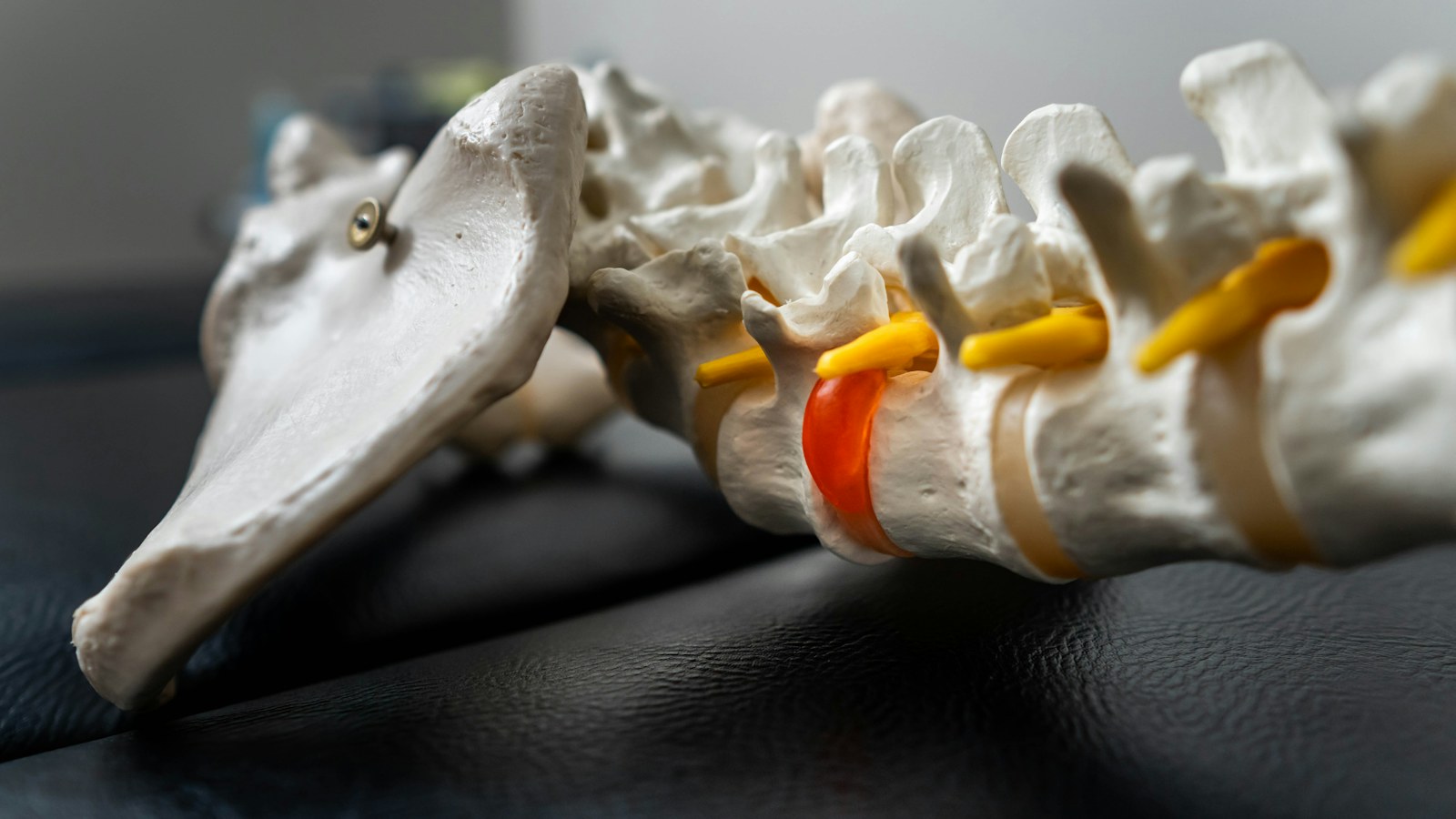
Your spine protects your spinal cord, the main cable between your brain and the rest of you. When spinal joints stop moving properly, two things happen. The joint itself and the tissues around it begin to stiffen and break down. And the flow of information between brain and body in that region becomes less clear.
A chiropractic adjustment restores movement to those joints and takes pressure and irritation off the nervous system. Movement returns, communication improves, and the body gets on with the job it already knows how to do. Chiropractic works with your own healing ability instead of covering up the signal.
That is also why I recommend care beyond the point where the pain stops. We are looking after stages 2 and 3, the part you cannot feel, so that what you build is strong and lasts.
Next step
If something has been hurting for more than a couple of weeks, or keeps coming back, it is not healing the way it should. Book an assessment and I will find out why, show you exactly what is going on, and lay out a clear plan.
This article is general education and is not a substitute for an individual examination.


Comments