Joint Recovery: Your Joints Are Fed by Movement

Recovery Basics, Part 4 of 5
Most people believe joints wear out with use, like tyres on a car. So when a joint aches, they protect it and move it less.
It is an understandable idea, and it is the wrong way round. Joints do not wear out from movement. They break down from the lack of it.
What a joint is made of
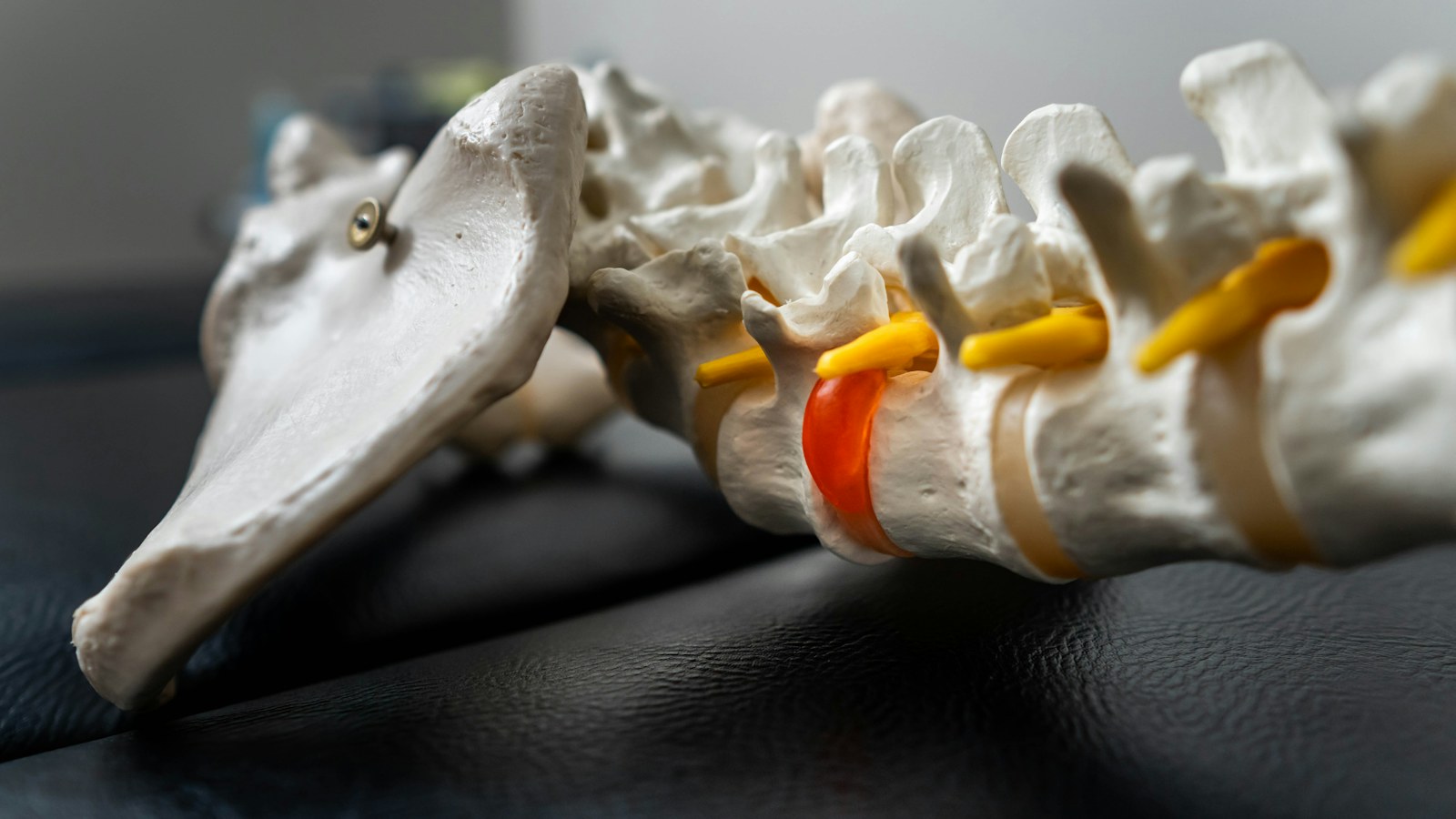
A joint is where two bones meet. The ends of the bones are covered in smooth cartilage. The whole thing is wrapped in a capsule, held together by ligaments, and bathed in a slippery liquid called synovial fluid.
Here is the part that matters. Cartilage has no blood supply. No blood vessels run into it at all. So how does it get oxygen and nutrients, and how does it get rid of waste?
Through movement. Cartilage behaves like a sponge. When you load the joint, fluid is squeezed out. When you unload it, fresh fluid is drawn back in, carrying nutrients with it. Every step, bend and twist is a meal for your joints. The discs in your spine work in much the same way.
No movement, no nutrition.

What happens when a joint stops moving properly
It does not take a major injury. Hours of sitting, an old sprain, a repeated posture or a minor knock can leave a joint moving less than it should. Then a predictable sequence begins.
Within days: the fluid thickens and the joint feels stiff
Within weeks: the capsule and ligaments shorten and tighten around the reduced range
Within months: cartilage starts to thin because it is not being fed
Over years: the body lays down extra bone to stabilise the area. This is the degeneration, or "wear and tear", that eventually shows up on X-ray.
Notice that you may feel very little during most of that process. Joint degeneration is slow and quiet. Pain tends to arrive late.
The basics of joint healing
Ligament sprains: 6 to 12 weeks for a moderate sprain, and up to a year to regain full strength
Joint capsule stiffness: improves over weeks with regular, repeated movement
Cartilage: very limited ability to repair, which is why looking after it early matters so much
The good news is that joints respond well to movement at any age. Motion brings fluid, fluid brings nutrition, and stiffness that has been there for years can improve.

Two things you can do
1. Range of motion exercise, every day. Range of motion exercise is the best exercise for a joint. It means taking the joint as far as it comfortably goes in every direction, slowly and without load. It takes about three minutes. Slowly turn your head each way, look up and down, roll your shoulders, reach overhead, twist your upper body left and right, bend forwards and backwards, circle your hips and ankles. Nothing forced, nothing fast. You are simply reminding every joint what its full range is and pumping fresh fluid through it.
2. Break up sitting every 30 minutes. Sitting itself is not the problem. Staying still is. Stand, walk for a minute, reach your arms up. A phone timer helps. Add real food with plenty of omega-3 fats from oily fish, and you lower the background inflammation that makes joints ache.
Free one-page handout
Want this on a single page to keep, print or pass on to someone who needs it? Message me on WhatsApp and I will send you the free Joint Recovery PDF.
Where chiropractic fits
This is the heart of what chiropractors do.
You can stretch a muscle yourself. You can strengthen a tendon yourself. But when an individual joint in your spine has become restricted, you usually cannot free it on your own, because the joints above and below simply move more to make up for it. You feel as though you are moving normally, while one segment sits stuck and under-nourished.
Chiropractors are trained to find exactly which joints are not moving and to restore that movement with a precise, controlled adjustment. Motion returns, fluid is exchanged, the surrounding muscles relax, and the joint starts sending normal signals to the brain again.
That last point is easy to overlook. Your joints are packed with sensors that tell your brain where your body is in space. A joint that moves well gives the brain clear information, which improves balance, coordination and posture, and helps calm pain signals.
This is also why regular chiropractic care makes sense even when nothing hurts. Like brushing your teeth, it is about keeping the joint healthy before the damage shows.
Is it time to get checked?
Stiffness in the morning or after sitting
You turn your whole body to look over your shoulder
Clicking, grinding or catching
One side moves less than the other
A sense that you are "getting old", when really you are getting stiff
Stiffness is not simply age. It is a joint that is asking to move. Let us find the ones that are stuck.
This article is general education and is not a substitute for an individual examination.


Comments